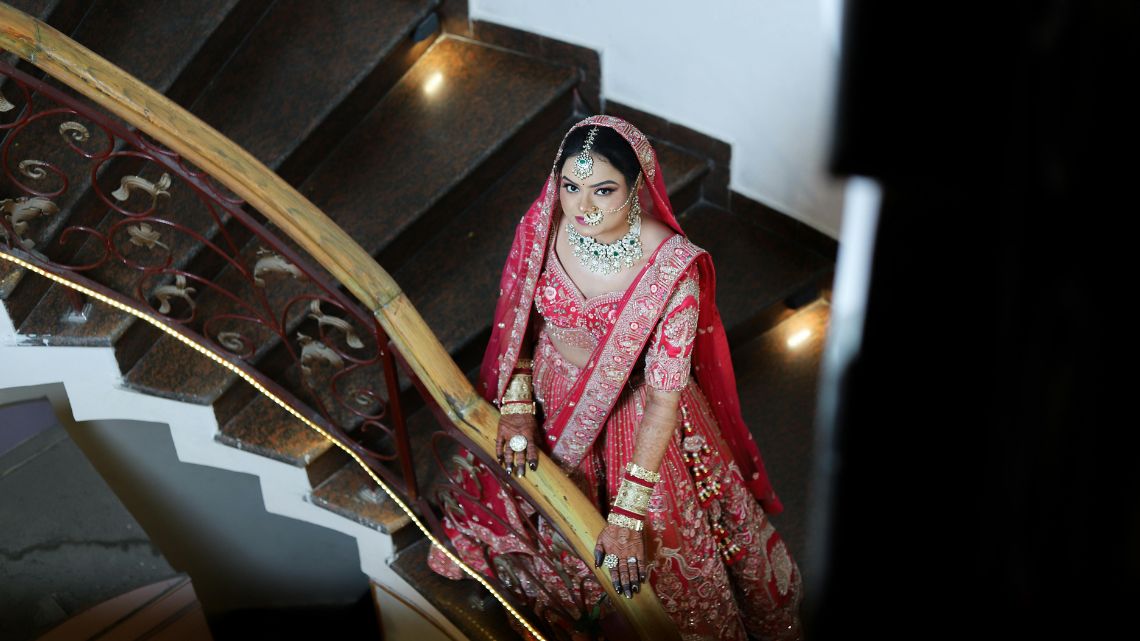
When a bride begins dreaming of her perfect wedding, it almost always starts with the dress. A wedding is one of the most cherished milestones in a bride’s life—filled with love, joy, and unforgettable moments. From the colourful Mehendi ceremony to the grand reception, each event deserves its stunning look. But it all begins with selecting the perfect wedding dress.
As a bridal outfit vendor, your role goes far beyond just selling gowns or lehengas. You’re not just helping her find a dress—you’re guiding her through a deeply personal, once-in-a-lifetime decision. She’s shaping a memory, and she needs someone who knows how to listen, recommend, and reassure her along the way.
In this best wedding dress guide, we’ll walk you through how to choose the perfect wedding dress, and how you, as the vendor, can support every step of that journey. Whether she’s a traditional bride drawn to timeless silhouettes or someone chasing a bold, modern aesthetic, this guide offers practical wedding-dress shopping tips to ensure she walks out confident, glowing, and ready for her big day.
Wedding Dress Selecting Guide
As a bridal outfit vendor, when a new bride walks through your doors, your job is to do more than just show her dresses—you’re there to guide her toward the perfect outfit that reflects her identity, fits her body, and honours her vision. To do this, you need to start with the basics. Here are the key factors you should always consider when helping a bride choose her perfect wedding dress:

1. Body Type and Silhouette
Every bride is unique—and so is her shape. Understanding body types is essential to recommending the most flattering silhouettes. For example:
Hourglass: Accentuate the waist with mermaid or fit-and-flare styles.
Pear-shaped: Balance proportions with A-line or ball gown silhouettes.
Apple-shaped: Look for empire waists or flowy fabrics that don’t cling.
2. Cultural Traditions
In Indian weddings, honouring cultural traditions is non-negotiable. What a South Indian bride wears to her wedding may be completely different from what a North Indian bride chooses.
Ask the bride about her cultural background and which traditions matter most to her.
3. Colour Preferences
Gone are the days when red was the only colour brides would consider. Today’s brides are exploring a world of hues—from soft pastels and ivories to jewel tones and metallics.
Ask the bride which shades she feels most confident and beautiful in. Encourage her to consider how lighting, photography, and venue décor might complement or clash with her outfit.
4. Traditional or Modern?

Some brides are all about tradition. Others want something fresh, minimalist, and modern. Many want a blend of both—something that respects their roots while embracing their style.
When you’ve explored these four key areas, you’ll have a strong foundation for guiding the bride.
Tips To Choose the Best Wedding Dress
Once you’ve understood the bride’s background, vision, and cultural expectations, it’s time to offer real, actionable advice. The goal isn’t just to find the “right dress”—it’s to make sure she feels radiant, confident, and cared for. A happy bride is your best advertisement—her joy becomes your reviews, referrals, and reputation.
1. Understand the Bride’s Vision
Start with one simple question: “How do you picture yourself on your wedding day?”
Is she imagining herself as a royal queen in a heavily embroidered lehenga or as a modern bride in a chic pastel gown? Listen to her words, but also watch her face—what makes her light up?
Ask about:
- Her dream outfit
- Inspirations from social media or past weddings
- How traditional or unconventional she wants to go
2. Match the Dress to the Wedding Theme
If the wedding has a specific theme, the outfit needs to complement it.
Examples:
Rajasthani Royalty: Suggest rich velvet, gota patti, mirror work, and regal colours like deep red, emerald, or royal blue.
Beach Wedding: Recommend breezy, flowy fabrics like georgette or chiffon in soft pastels or aqua tones.
Minimalist Modern: Offer structured gowns or lehengas with clean lines, muted colours, and minimal embroidery.
3. Venue Matters
Location shapes the mood—and the dress needs to follow.
Luxury Ballroom: Go for glamorous, statement pieces with heavy embellishment or dramatic trails.

Rustic Farmhouse: Suggest earthy tones, lightweight fabrics, and traditional prints or florals.
Temple Wedding: Keep it classic with silk sarees, minimal shimmer, and gold jewellery.
4. Season Matters
The weather has a big role in outfit comfort and practicality.
Summer Weddings: Recommend breathable fabrics like cotton, silk, chiffon, or organza. Go for lighter colours and simpler embroidery.
Winter Weddings: Bring out velvet, brocade, or silk with added layers. Shawls, capes, and long sleeves also work beautifully.
Monsoon Weddings: Water-resistant fabrics and lighter dupattas are safer options
Make sure she doesn’t just look stunning—but also feels comfortable throughout the ceremony.
5. Incorporate Traditional Elements
Even modern brides often want to honour tradition in subtle or bold ways.
Examples:
- Adding a family heirloom dupatta or jewellery piece
- Including regional embroidery like Banarasi weaves or Phulkari borders.
- Including cultural motifs like lotuses, elephants in the embroidery
This balance between modernity and heritage makes the dress meaningful.
6. Silhouettes and Necklines
Not all silhouettes suit all tastes—or body types. Ask her what styles she likes and help her understand what flatters her frame.
Examples:
- A mermaid silhouette enhances curves and works well for petite brides.
- A-line or panelled lehengas suit most body types and are comfortable for long events.
- Sweetheart necklines give a romantic touch; boat necks offer elegance; V-necks elongate the torso.
Let her try different shapes and necklines to see what she feels best in.
7. Talk Budget Early
Don’t shy away from the budget conversation—just approach it with care.
Be upfront about:
- Dress pricing
- Additional costs like dupattas, veils, or accessories
- Customization or alteration charges
8. Fabric and Detailing
Fabric can completely change the look and comfort of a bridal outfit.
- Silk: Regal, structured, and perfect for traditional ceremonies
- Organza/Georgette: Lightweight, romantic, and flowy
- Velvet: Rich and dramatic, ideal for winter weddings
- Net or Tulle: Delicate and dreamy, great for layering or veils
Detailing also matters—stonework, zari, sequins, appliqué, hand embroidery. Explain how these add visual weight, texture, and sparkle.
9. Let the Bride Try & Twirl
Let her try on different options, even ones she didn’t consider at first. The mirror will tell her more than any advice can.
Encourage her to:
- Walk, sit, and twirl in the dress
- Take a few minutes in each outfit to feel it out
- Trust her instincts when a dress feels right
Your job is to guide, not pressure. Her comfort and confidence are what matter most.
10. Timelines and Alterations
Set clear expectations so there are no last-minute stressors.
Explain:
- How long will the dress take to arrive (especially for custom or designer orders)
- How many fittings she’ll need
- When she needs to finalize her decision to stay on schedule
Also talk about alterations—what’s included, what costs extra, and how long they’ll take.
Final Tips to Close the Deal
When she finds the one, celebrate with her. Offer a small gesture—champagne, a keepsake, a photo moment. Then go over next steps clearly:
- Deposit and payment structure
- Tailoring timeline
- Accessories to consider
- Final fitting schedule
Your Role as the Trusted Guide
Helping a bride choose her wedding dress is more than a transaction—it’s a transformation. She walks into your boutique, unsure, maybe nervous. She walks out beaming, confident, ready.
You’re not just a vendor. You’re a guide, a stylist, a storyteller.
Keep your advice practical. Keep your tone calm. Stay honest. And above all, make it about her.